Stick Season
By M.I. Devine
Birds singing ask if I believe in God.
I don’t but do.
–Frederick Seidel, “Envoi”
The sky this morning a March scar, low sun after a start that looked like spring. False start.
I’m on the road–kids’ sports, basketball–and maybe I’ll catch Mass if such a thing exists in these mountain towns, Ausable Forks, towns we drive through but never stop for, a short bridge over the Ausable river, two blocks and then you’re gone.
Sunday in America.
No one, no one in the town but 100 people, children and parents, in one of those little gyms where the 3-point line runs out of bounds and kids lick their fingers to stop from sliding.
James Wright, I guess, wrote about it, too, Friday night lights, football, “Autumn Begins in Martins Ferry, Ohio,” where, beneath the stadium lights, or in the dark, who knows, before “the proud fathers,” the sons–this is the only part I ever remember–“Their sons grow suicidally beautiful.”
Well, mine hasn’t combed his hair, wipes his nose with his palm and tells me we’re late.
There’s Holy Name, 10:30 a.m. sign says, I have 4 minutes to drop him off at the gym, and get inside. Game starts at 11, but this is one of those Daddy Ball teams, so he won’t get in until at least 11:20 or so.
A young Indian priest at the altar. I watch through glass doors, sneak in, last row, about 40 of us here, no one under 70, and a woman in the row before me shakes, she’s seized every other minute. She inches away, in a way, from I wonder if it’s her husband.
First reading, she’s in the middle of the pew, a few feet every time I look, just about.
I am, says the first reading from Chronicles, in the wasteland. Babylon, ruin, weeping by the waters of the Ausable, I’ll never get out of here on time, it’s the oldest congregation still living, who knows, maybe it is.
I know what Wright means about the boys and their suicidal beauty, their sport, the moment that is and then is not and how it’s the opposite of this liturgy.
This is a circle, a play, and in its repetition, its structures, you graft yourself, your shaking hands, your head and bobbing neck.
Our captors asked of us the lyrics of our songs.
How can we sing a song of the Lord in a strange land?
We sing about the psalmist who would not sing, not really, anyway, because what words will you find: My God, my God, why hast thou forsaken me?
Or
So I thought that if I piled something good on all my bad
That I could cancel out the darkness I inherited from dad
You can try. Might as well. That is how you feel in Ausable Forks, in gray March, beneath this blank sky, like a church ceiling that could be freshened up, gray, in which you find no significance, with nothing the eye can dead reckon from, nothing, nothing but this exile.
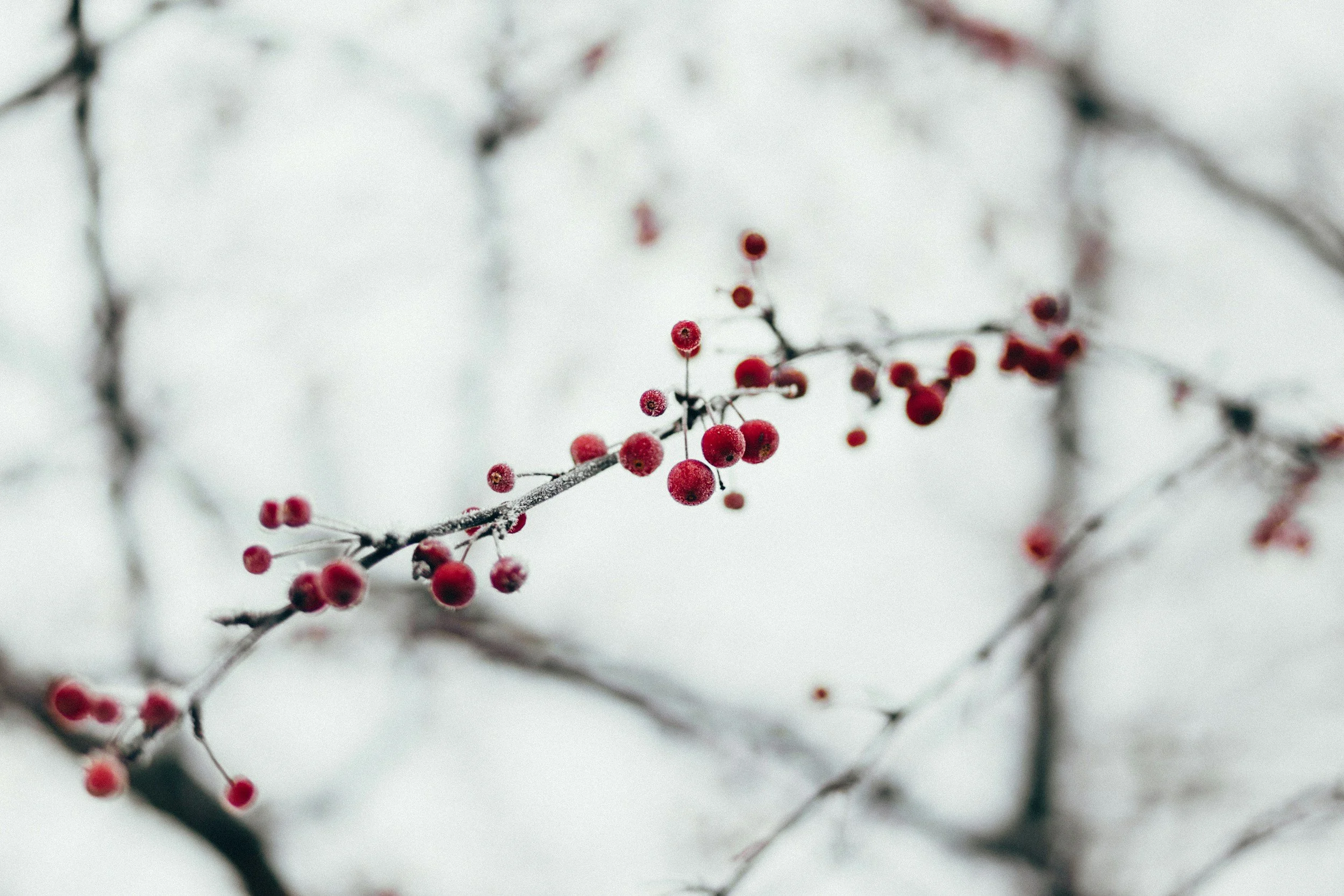
The kids sing “Stick Season,” sleepy lauds before school, on the way to school, after school. He’s from Vermont, the singer, over there. Here’s the mud season, there’s the stick season. Still. The same. You can’t move is the point. March like this. Happy spring. Every day with them. My children. They will move, I guess, and then all at once. That’s loss, I guess, what people mean by it. How nothing ever changes until it does. It’s all one needs to write. What else is there? No wonder I’ve been reading Knausgaard. They call him my friend Karl. How’s your friend Karl, dad? Are you going to Norway to visit him? Are you in love with him? Maybe a little. His book about everything I thought was just about kids, driving kids, feeding kids, the struggle, the long struggle, through the mud season, the stick season, this. “At the same time, I see that precisely this repetitiveness, this enclosedness, this unchangingness is necessary, it protects me.” What have I needed them to protect me from?
She shakes and moves a bit further away. Everyone is always moving away, trying.
We sing a song of refusal, for all those who refuse, who prefer instead the squeak of sneakers, and the present tense of their longing for their children, who, like them, will be exiled, exiled in this life, but before then, a Friday night–once it was a Friday night–and on that Friday night the beauty of the bodies that will never be so beautiful again. Your child is always coming to the very edge of what they are.
Now sports are Sunday mornings. And here I am.
We’ll be in exile, says Chronicles, until “the land has retrieved its lost sabbaths.” Perhaps that’s what I’m trying to do. Church going.
In Babylon, they listened again and again, without a Book, to the Enuma Elish, to the stories of the children-killing gods, Marduk who split his mother in two, and half of her became the heavens, Apsu and poor Tiamat, they listened to the story of the Flood, the Atrahasis, and Gilgamesh, to the making of man, and they refused to sing of the past. They’d write their own stories.
By the waters of the Ausable I wept.
I’m late.
It must be her husband who touches her elbow and shepherds her back.
I check my phone. I’m late. This is the slowest Mass on earth. It will go on forever. I think that. It will go on forever. And then I think how that’s true, and how rarely I think that about a thought.
We sing in the shadow of the ziggurat.
M.I. Devine is the author of Warhol's Mother's Pantry, winner of the Gournay Prize. He's cofounder of the art pop project Famous Letter Writer, which has released Warhola and Dadamama (i) and (thou). Recent work has appeared in Image and Commonweal.
